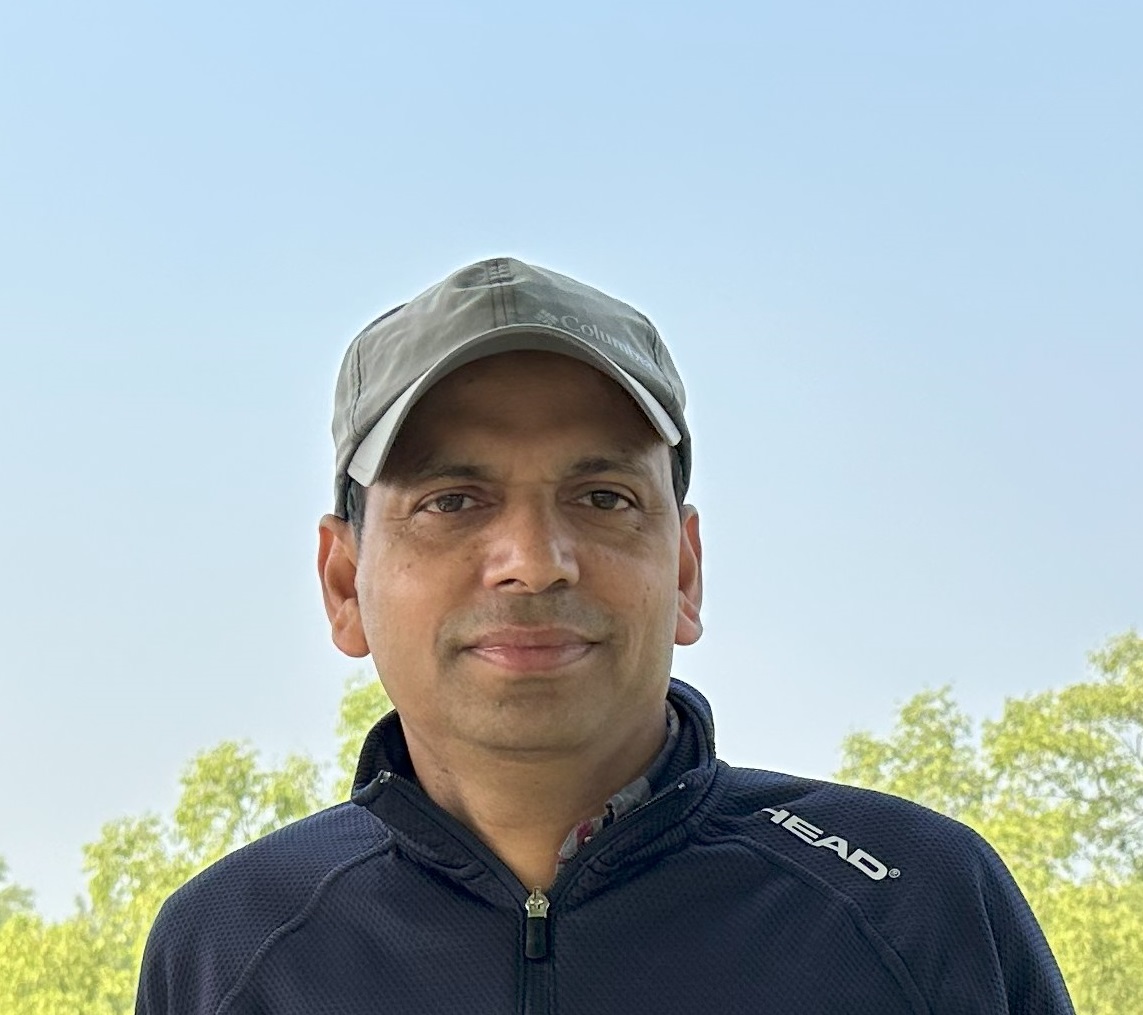
Dr. Saifuzzaman (Saif) is a Research Associate in the Department of Biology at McGill University, where he develops and applies monitoring and modeling tools to assess ecosystem services in the Hudson Bay Lowlands as a pilot for the Canada-wide Biodiversity Observation Network (CAN BON). Most of his current research focuses on using Earth Observation Data combined with big data mining and deep learning methods.
He was awarded a PhD in Bioresource Engineering from McGill University, where his research focused on the application of machine learning and AI tools to crop production and soil dynamics, integrating proximal soil sensing and remote sensing data. Before joining the Department of Biology, he completed a postdoctoral fellowship in Bioresource Engineering at McGill University, Macdonald Campus. Earlier in his career, Dr. Saifuzzaman served as an Assistant Professor and later Associate Professor of Physical Geography in the Department of Geography and Environment at Jahangirnagar University, Bangladesh. He also holds two master’s degrees: an M.Sc. from Jahangirnagar University and an MES from Queen’s University, Canada.
Working extensively with local and international organizations, he has developed advanced geospatial technologies, including satellite and UAV imaging systems for precision agriculture. He has supervised and mentored research students at both Jahangirnagar University and McGill University. Dr. Saifuzzaman holds memberships in more than eight professional organizations, has chaired executive committees, organized numerous workshops, guest-edited special journal issues, and reviewed manuscripts for a wide range of scholarly journals. His research is highly collaborative, spanning environmental science, soil science, computer science, and the broader geosciences.
Before joining the Gonzalez Lab in the Department of Biology, I completed a postdoctoral research program in the Department of Bioresource Engineering at the Macdonald Campus, McGill University. Prior to my PhD and postdoc research at McGill University, I served as an Assistant Professor of Physical Geography in the Department of Geography and Environment at Jahangirnagar University, Bangladesh. Additionally, I have mentored research students at both Jahangirnagar University in Bangladesh and McGill University in Canada. My master's degrees from Jahangirnagar University, Bangladesh, and Queen’s University, Canada, have equipped me with a robust foundation in geospatial data analysis, essential for assessing agro-ecological parameters and managing natural resources across Canada.
Growing up in the lower Ganges Delta, I witnessed the direct impact of wetlands, human activities and climatic stressors on ecosystems. This experience inspired my commitment to sustainable management practices in protected areas. This commitment was further set through my work with international and government organizations, and NGOs, where I applied my expertise in landcover mapping and ecosystem management. By collaborating with both local and international researchers, I have developed projects that contribute to academic discourse and provide substantial benefits to communities affected by extreme environmental events.
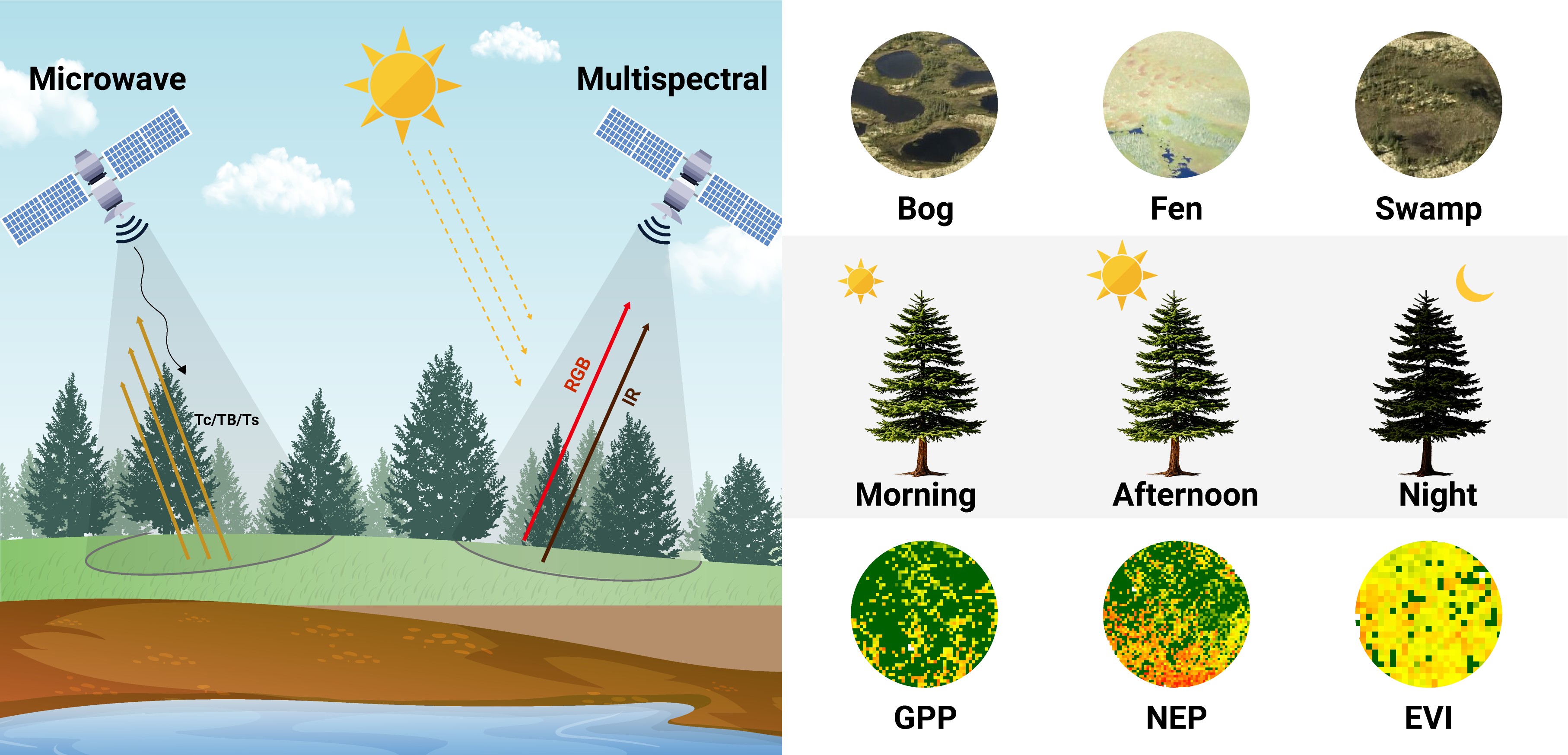
The Hudson–James Bay Lowlands (HJBL) are among the world’s largest peatland complexes, providing critical ecosystem services and culturally significant landscapes for the Cree Nation. However, biodiversity patterns and ecosystem dynamics remain poorly documented due to limited monitoring and fragmented data. My research integrates ecological datasets, remote sensing, and field knowledge to improve understanding of species distributions and ecosystem processes, and to develop scalable indicators for monitoring biodiversity and environmental change in northern peatland ecosystems. 🌿🌎
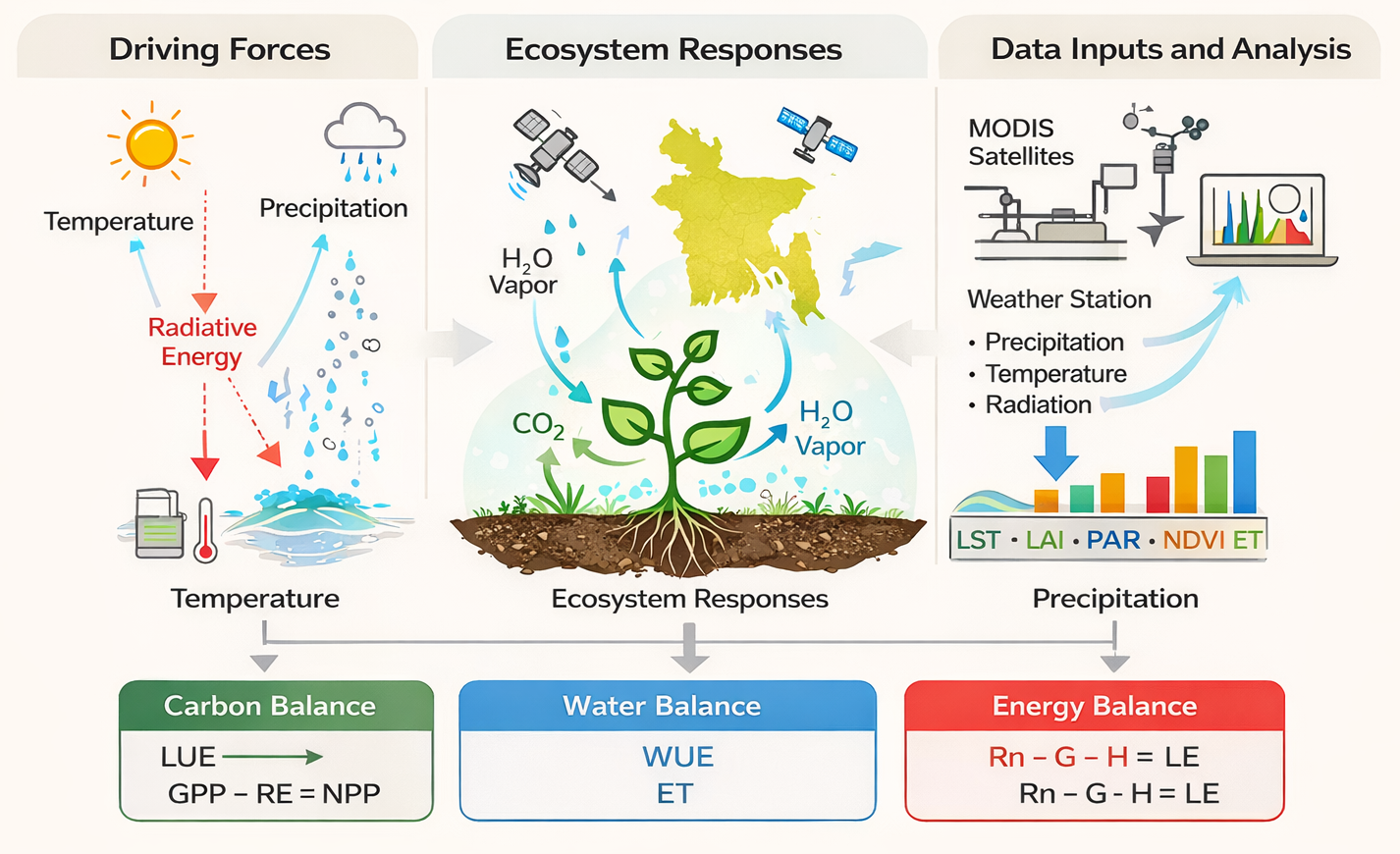
This research examines the spatiotemporal dynamics of carbon, water, and energy fluxes to better understand ecosystem processes. By integrating remote sensing observations and climate data, it evaluates ecosystem productivity, evapotranspiration, and radiation balance, revealing how climate variability influences ecosystem functioning across landscapes. 🌍🛰️🌱
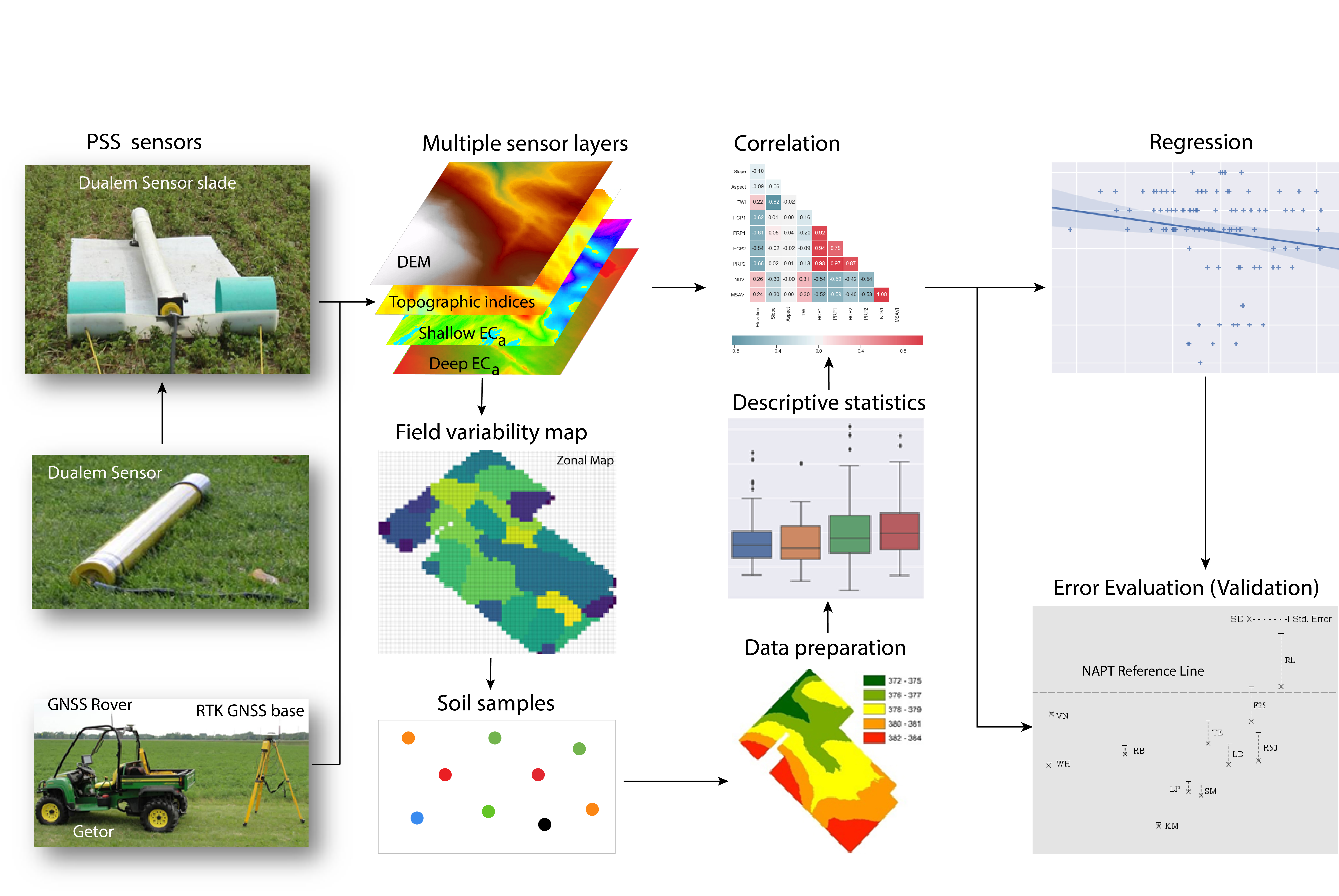
This research integrates proximal soil sensing and high-resolution topographic derivatives to characterize spatial variability in agricultural fields. Apparent soil electrical conductivity data combined with terrain metrics (e.g., slope and topographic wetness index) are used in predictive models to estimate key soil properties, including organic matter, phosphorus, and cation exchange capacity, improving soil assessment and management of agricultural ecosystems. 🌱🛰️
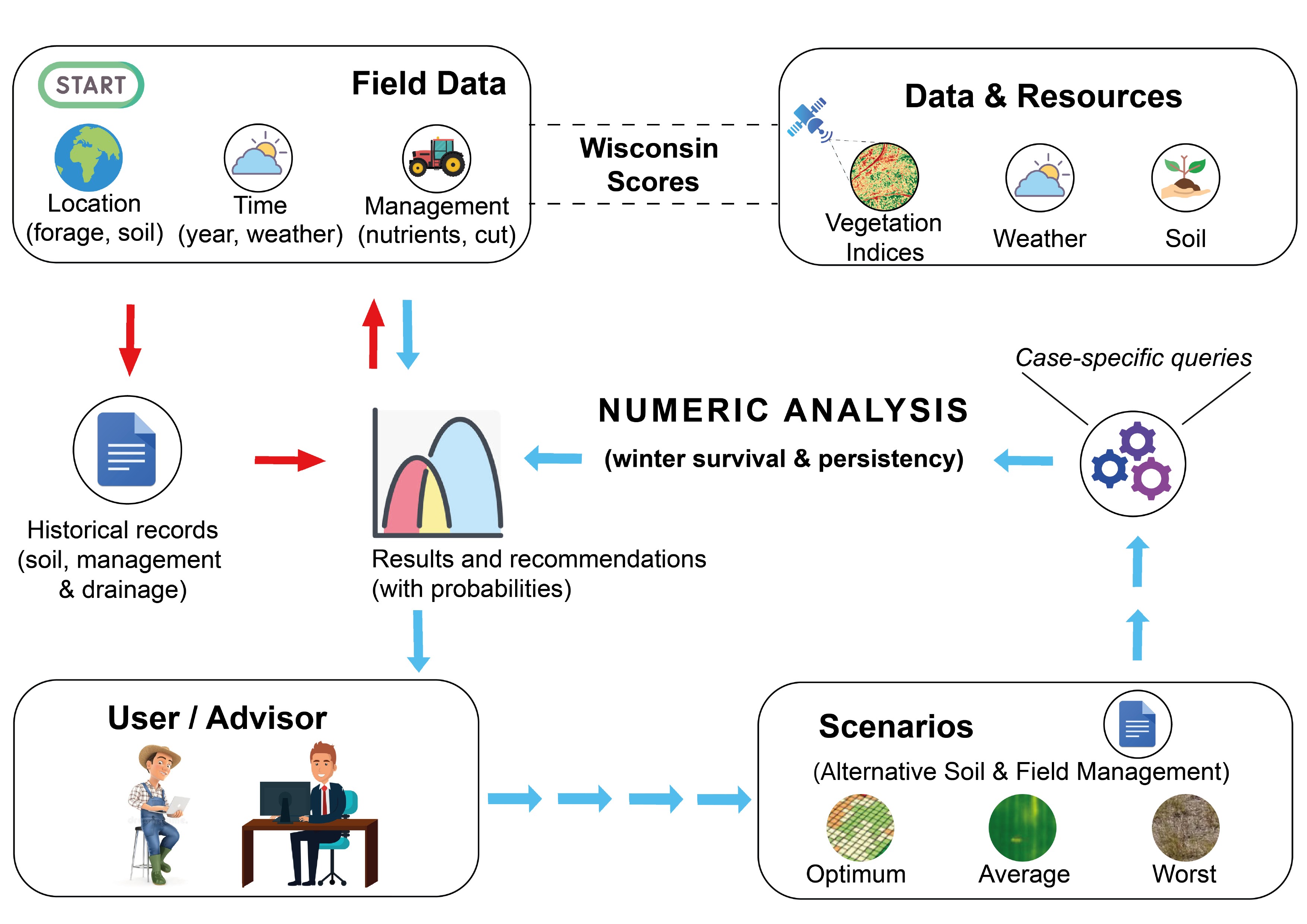
This research develops probabilistic models to assess vegetation winter persistence by integrating weather conditions, soil characteristics, and management factors. Using field observations and environmental data, the approach evaluates risks of winter damage and variability in plant survival, supporting improved monitoring and management decisions for resilient agricultural and ecological systems. 🌱📊